2026-10-24 ·
Preparing Your Roof for Hurricane Season in Cutler Bay
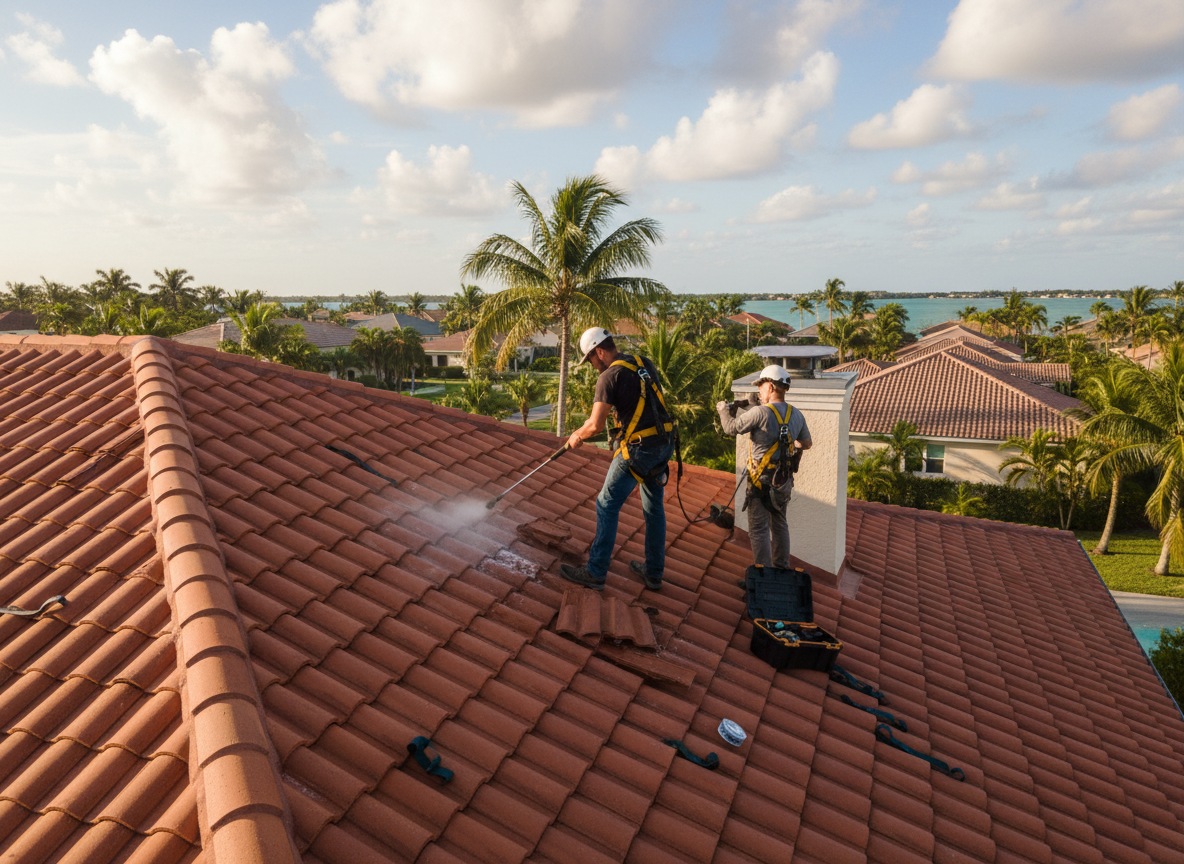
Start preparing your roof in Cutler Bay by scheduling a full inspection 4 to 6 weeks before June 1. Focus on fastener integrity, flashing seals, and tile attachment in Miami-Dade County homes where wind-driven rain and gusts above 100 mph are common during peak season.
Conducting a Pre-Season Roof Inspection
Walk the perimeter of single-story homes in Cutler Bay and note any cracked concrete tiles or loose asphalt shingles common in neighborhoods built between 1970 and 2000. Check valleys and penetrations for sealant failure after repeated summer heat cycles. In two-story properties near 19650 S Dixie Hwy, use binoculars to spot lifted edges before climbing. Document every finding with photos and measurements so repairs can be prioritized by wind exposure rather than appearance. Homeowners in adjacent Palmetto Bay often discover the same issues on ranch-style roofs after one active season.
Securing Roof Components Against High Winds
Replace missing or corroded clips on barrel tile roofs with stainless steel hurricane clips rated for 150 mph exposure in Miami-Dade. Tighten ridge cap screws on metal panels found in newer Princeton subdivisions and apply butyl tape under any loose counterflashing. On asphalt shingle roofs, lift and re-nail tabs where wind has begun to curl edges. These steps reduce uplift risk on the south-facing slopes that take the brunt of afternoon storms rolling in from the bay. Address any soft spots in decking before season arrival to prevent progressive failure under sustained winds.
Understanding Miami-Dade Building Code Requirements
Miami-Dade County requires roofs in Cutler Bay to meet the current High Velocity Hurricane Zone standards, including specific nail patterns and underlayment layers. Older homes often fall short on secondary water barriers, which is why many owners review How Miami-Dade Building Codes Affect Roof Replacement Choices before making upgrades. Adding a self-adhered membrane over the deck can qualify an existing roof for better insurance credits without full replacement. Confirm permit history at the address before any work begins so future buyers see documented compliance.
Scheduling Maintenance and Emergency Readiness
Book roof inspection services during the slower spring months when crews can complete work before June 1 demand spikes. Keep a 24/7 contact for storm damage roof repair and store tarps and sandbags on site for quick temporary fixes. Residents in Lakes by the Bay and Goulds report faster response when they already have a local contractor familiar with their roof age and tile profile. After any named storm, compare your pre-season photos to new damage before filing claims.
Post-Inspection Follow-Up Steps
After the inspection, prioritize repairs by exposure: ridge lines and eaves first, then field tiles. In Whispering Pines and South Miami Heights, many roofs need only clip upgrades rather than full replacement when caught early. Track material lead times for concrete tile colors matching existing stock to avoid delays during active season. Revisit the roof after the first named storm passes to confirm fasteners held and adjust the plan for the remainder of hurricane season.